

Impacts of Changing Snowpack in the Pacific Northwest
Author
Posted
Share

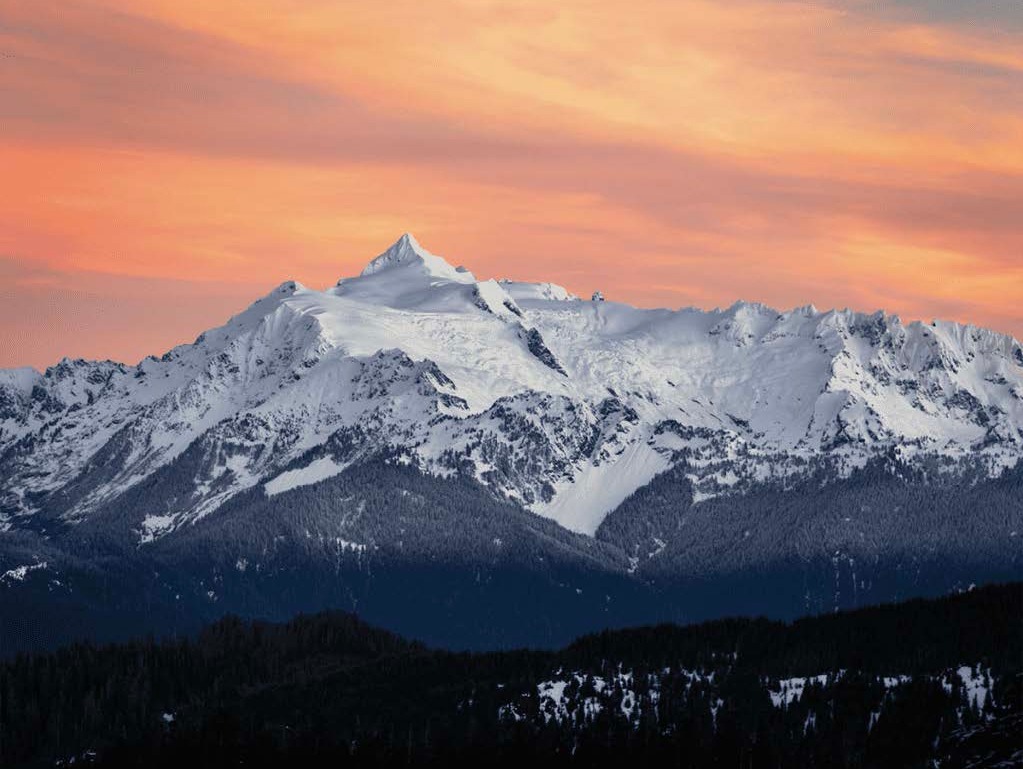
Photo by Wyatt Mullen
This post is part of our collaboration with Portland State University and Dr. Alida Cantor’s Water Resource Management class. Her class explored water policy, water quality and quantity issues, and environmental justice. Graduate and undergraduate students translated research for their final projects into creative forms that Follow the Water is excited to share.
Why Changing Winters in the Pacific Northwest Matter for Water
If you live in the Pacific Northwest, this winter may have felt unusual. Many areas that normally see steady snowfall experienced warmer storms, rain instead of snow, or shorter snow seasons. For many people, these changes may simply feel like strange weather. But snow in the Pacific Northwest plays a much bigger role than many realize.
Snowpack in the Cascade Mountains functions as a natural water reservoir for the region. During the winter, precipitation builds up as snow in the mountains. As temperatures rise in the spring, that snow slowly melts, feeding rivers and streams throughout the summer. This gradual release of water supports ecosystems, agriculture, hydropower generation, and municipal drinking water systems.
When snowfall decreases or melts earlier, that natural timing begins to shift. Scientists are increasingly studying how these changes could affect water availability across the Pacific Northwest.
Snowpack: The Pacific Northwest’s Natural Reservoir
In many parts of the United States, water is stored in reservoirs behind dams. In the Pacific Northwest, however, much of our water storage happens naturally in mountain snowpack.
Snow acts like a slow-release water supply. Instead of flowing immediately into rivers during winter storms, water is stored as snow at high elevations. As temperatures warm in the spring and early summer, the snow melts and feeds rivers over time.
This timing is extremely important. The Pacific Northwest experiences dry summers, so the gradual melting of snowpack helps maintain streamflow during months when rainfall is limited. Agriculture, hydropower generation, and many ecosystems rely on this seasonal water supply.
If snowpack declines or melts too early, rivers may receive more water during the winter but less during the summer when demand is highest.
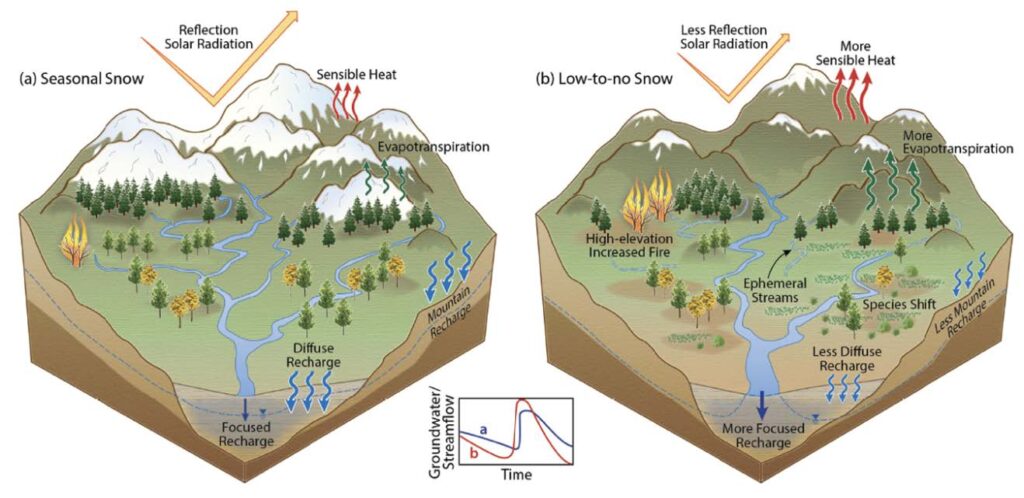
Photo by Berkeley Lab
What Is a Snow Drought?
Scientists sometimes use the term snow drought to describe winters when snowpack levels are much lower than normal. Snow droughts can happen for two main reasons:
- Dry snow droughts, when there is simply less precipitation.
- Warm snow droughts, when temperatures are too warm for snow, and precipitation falls as rain instead.
Research shows that warm snow droughts are becoming more common in the Pacific Northwest. In these cases, winter storms may still bring precipitation, but instead of being stored as snow in the mountains, the water flows quickly into rivers. This shift changes how water moves through the landscape. Snowpack historically acted as a delayed storage system. Without that storage, water that would normally be released slowly during spring may instead flow through rivers during winter storms.
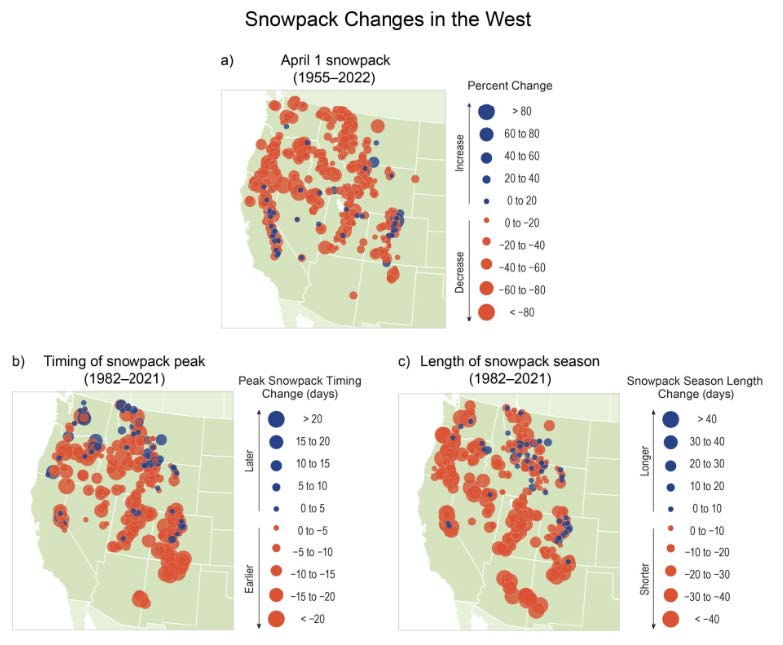
Photo by The Water Desk
When Snow Turns to Rain
Another important process affecting winter water systems is known as a rain-on-snow event.
These events occur when rainfall falls onto existing snowpack during warm storms. The rain and warm temperatures cause the snow to melt rapidly, sending large amounts of water into rivers over a short period of time.
Rain-on-snow events can increase the risk of flooding because both rainfall and melting snow contribute to river flow at the same time. Scientists have found that these events are an important driver of extreme flooding in parts of the Pacific Northwest.
Warmer winter temperatures increase the likelihood of these conditions. As a result, some researchers are observing shifts in the timing of river flows, with more water arriving earlier in the winter rather than later in the spring.
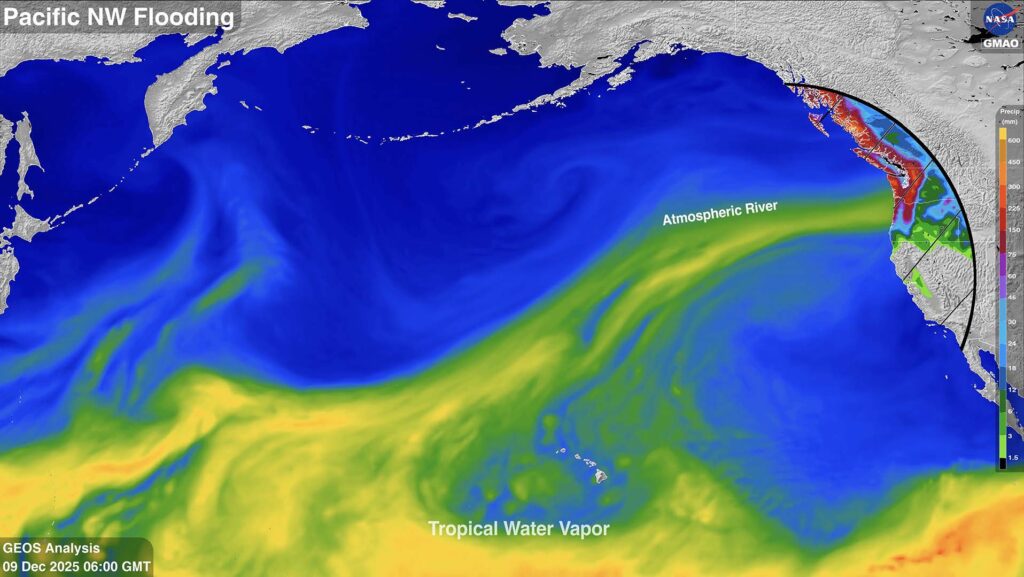
Photo by NASA
Why Public Awareness Matters
Many people across the Pacific Northwest have noticed that winters feel different, but the connection between snowpack and water supply is not always obvious. Snow in the mountains may seem far removed from daily life, especially for people living in cities.
However, the water stored in mountain snowpack influences drinking water supplies, food production, energy generation, and wildfire risk across the region. Understanding how snowpack functions as a natural reservoir can help communities better recognize why winter conditions matter for water availability later in the year.
Public awareness also plays an important role in supporting water management strategies and scientific research. As climate conditions change, scientists and policymakers will continue studying how to adapt water systems to shifting snow patterns. Informed communities can help support these efforts by recognizing the importance of snowpack in maintaining reliable water resources for the Pacific Northwest.
Author info

Related Posts
How Can We Reduce Mercury in the Willamette Basin?
Photo by Dave Logan For over two decades, mercury has been contaminating fish in the…
Oregon Water Stories: Multnomah County
Oregon Water Stories is a project of PSU Professor Melissa Haefner’s freshman inquiry class, running…
Oregon Water Stories: Jefferson County
Oregon Water Stories is a project of PSU Professor Melissa Haefner’s freshman inquiry class, running…