

How Can We Reduce Mercury in the Willamette Basin?
Author
Posted
Share

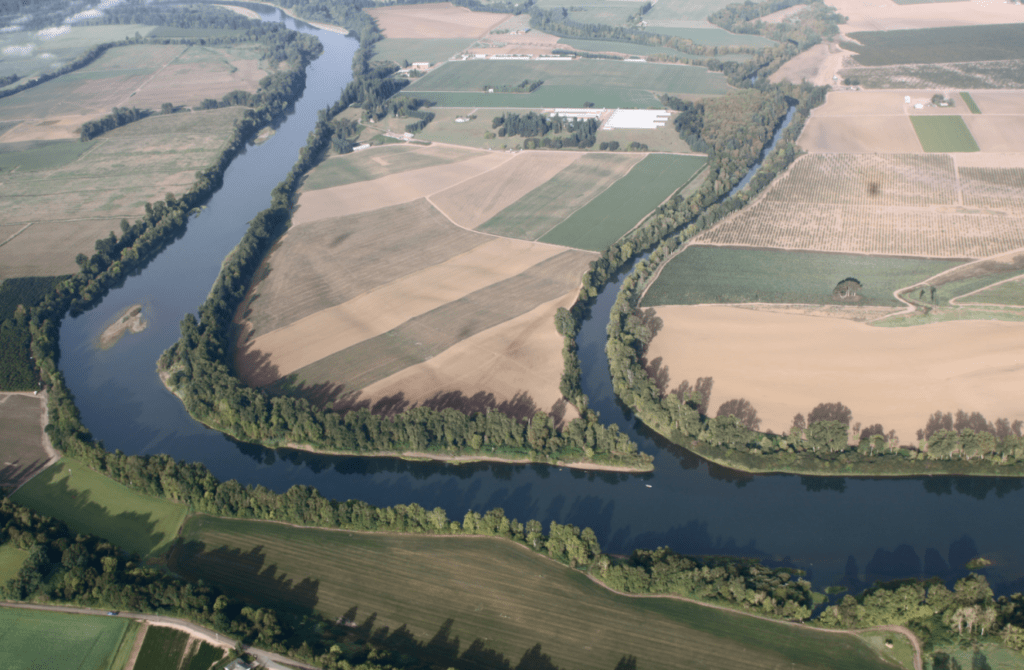
Photo by Dave Logan
For over two decades, mercury has been contaminating fish in the Willamette River and its tributaries, resulting in fish consumption advisories. To combat this issue, the Environmental Protection Agency (EPA), in conjunction with the Oregon Department of Environmental Quality (Oregon DEQ), has been studying the mercury in the basin to implement reduction strategies.
Before we dive into reduction strategies, let’s first answer: what is mercury? And how did it end up in the Willamette River Basin?
What is Mercury?
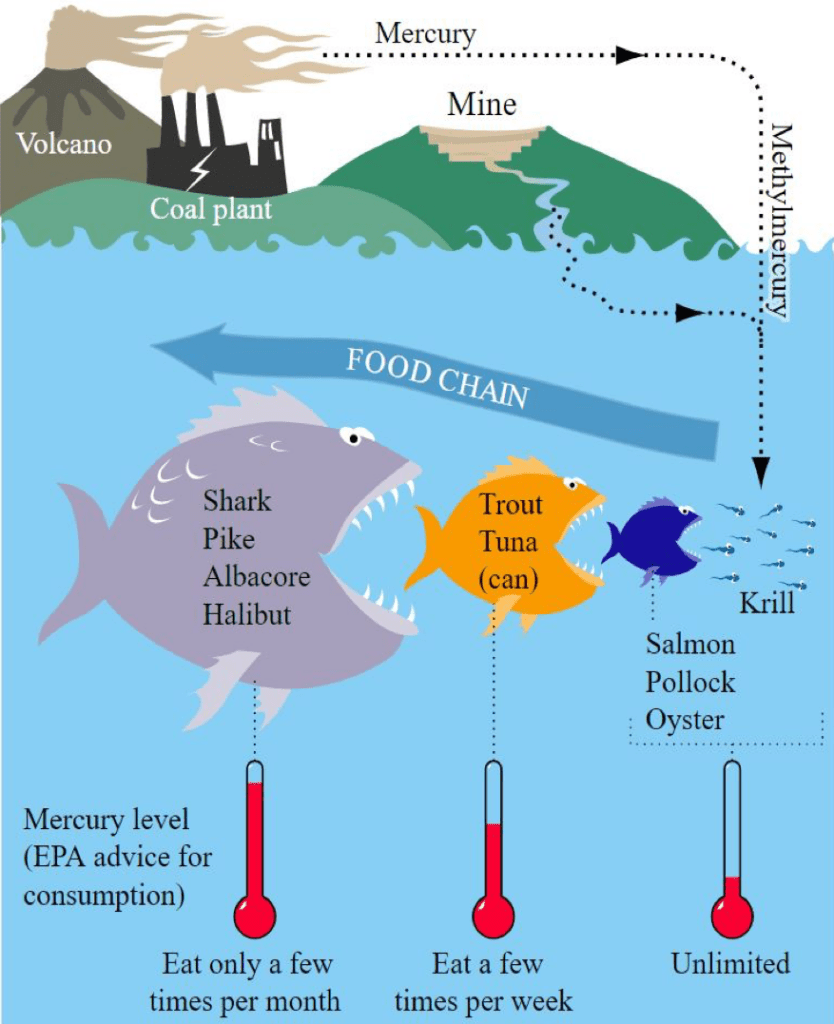
Mercury is a naturally occurring element that can exist in 1 of 3 forms: its elemental form, as an inorganic compound, or as an organic compound. Of its three forms, its primary organic form, methylmercury, is the most harmful to humans (EPA 2025). Methylmercury is highly toxic to people, with consumption of contaminated fish being the primary means of exposure (Oregon DEQ 2019).
Where did the Mercury in the Willamette Basin Come From?
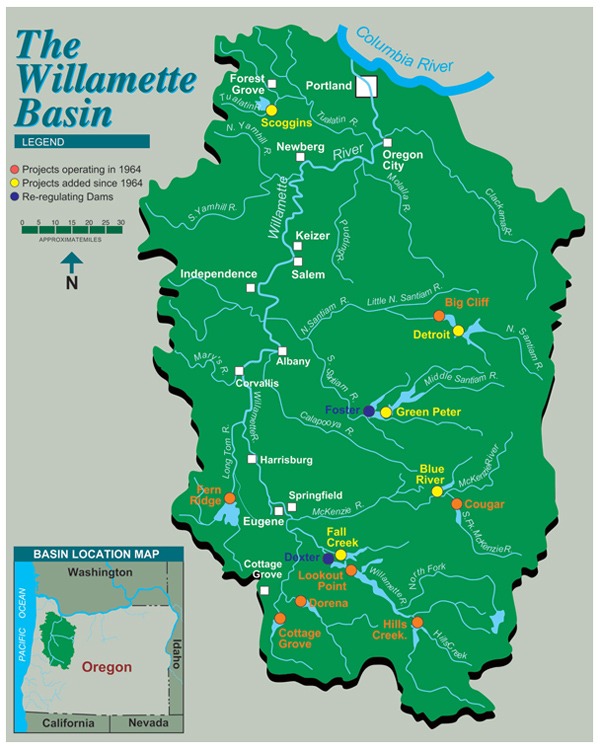
Most of Oregon’s mercury originates outside of Oregon, with about a third of the mercury in the Willamette coming from outside of North America (DEQ 2019). So how does it end up in the Willamette basin?
The dominant source of mercury in the Willamette is trans-Pacific emissions (Oregon DEQ 2019), primarily from coal (EPA 2025). After it is emitted into the atmosphere, the mercury is transported across the Pacific Ocean and enters the Willamette basin via precipitation and the deposition of dry particulate matter (EPA 2025; Oregon DEQ 2019). Once in the basin, mercury can enter the Willamette River by one of three ways.
- Direct Deposition: Mercury can be directly deposited onto the Willamette River and/or the smaller streams that flow into it.
- Storm Runoff: Mercury that was deposited onto impervious surfaces like concrete can be transported to the river via storm runoff.
- Soil Erosion: Mercury that was deposited onto the soil can bind itself to the soil particles and be transported to the Willamette via erosion.
In the river, mercury is converted to methylmercury and taken up by small organisms, such as bacteria and algae (Sturdevant 2017). Fish then eat these smaller organisms, transporting methylmercury up the food chain to larger fish, and eventually humans (Morel et al. 1998).
What Can Oregonians Do to Reduce Mercury in the Willamette Basin?
Though much of Oregon’s mercury comes from foreign emissions entering the atmosphere, Oregonians can still help prevent mercury from entering the Willamette and its contributing streams. Most of the mercury in the Willamette’s streams comes from storm runoff and soil erosion, thus if we can prevent these, we can significantly reduce the amount of mercury in the Willamette (Oregon DEQ 2019).
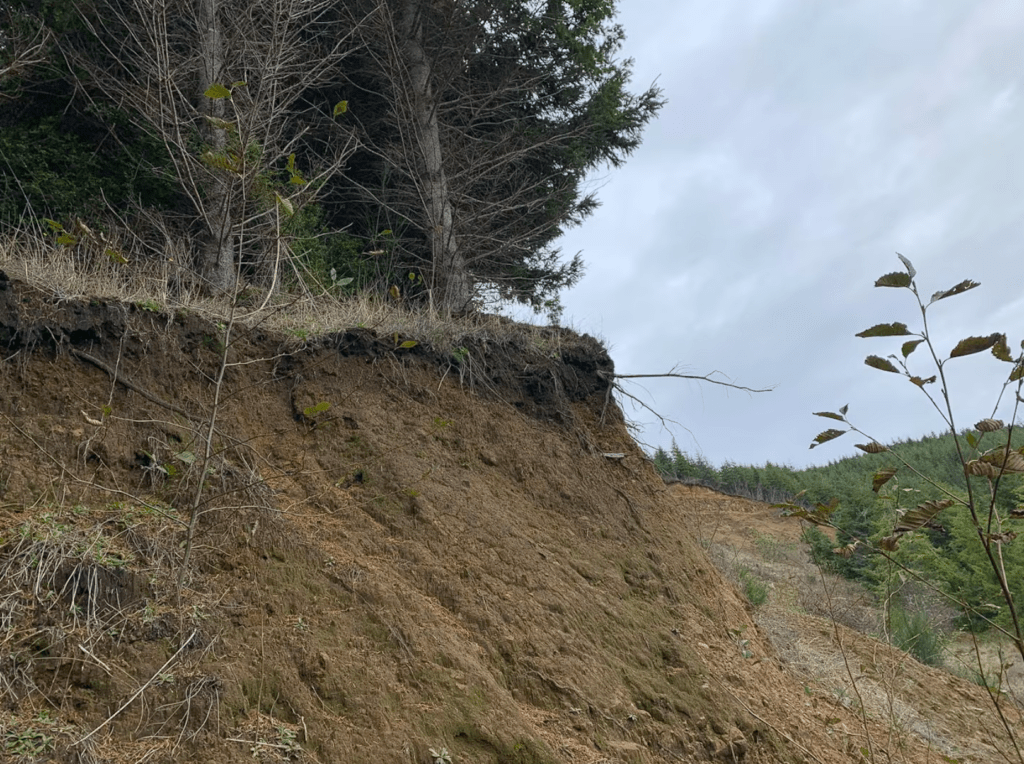
While the EPA and the Oregon DEQ have protocols in place to reduce mercury in the Willamette River, the general public can do their part as well! The following are a few ways you can help prevent erosion:
Implement Environmentally Friendly Landscaping
- Plant native vegetation on bare soil to anchor the soil in place.
- If you have a stream or drainage ditch on your property, plant vegetation along its banks to prevent excess sediment from being transported into the stream or ditch.
- Reduce impervious surfaces like concrete, as they can increase runoff, which also increases erosion.
Practice Eco-Friendly Construction
Are you planning on constructing on your property? If so, don’t leave bare sediment exposed to the elements. Rain can easily wash loose, unvegetated sediment into nearby waterways; therefore, to prevent this, you can:
- Install a barrier around the exposed sediment to prevent it from being washed away.
- Cover the sediment to protect it from rain.
- Conduct construction projects during the summer, when rain is less likely to occur.
Author info

Related Posts

Impacts of Changing Snowpack in the Pacific Northwest
Photo by Wyatt Mullen This post is part of our collaboration with Portland State University…
Oregon Water Stories: Multnomah County
Oregon Water Stories is a project of PSU Professor Melissa Haefner’s freshman inquiry class, running…
Oregon Water Stories: Jefferson County
Oregon Water Stories is a project of PSU Professor Melissa Haefner’s freshman inquiry class, running…